The Upper School
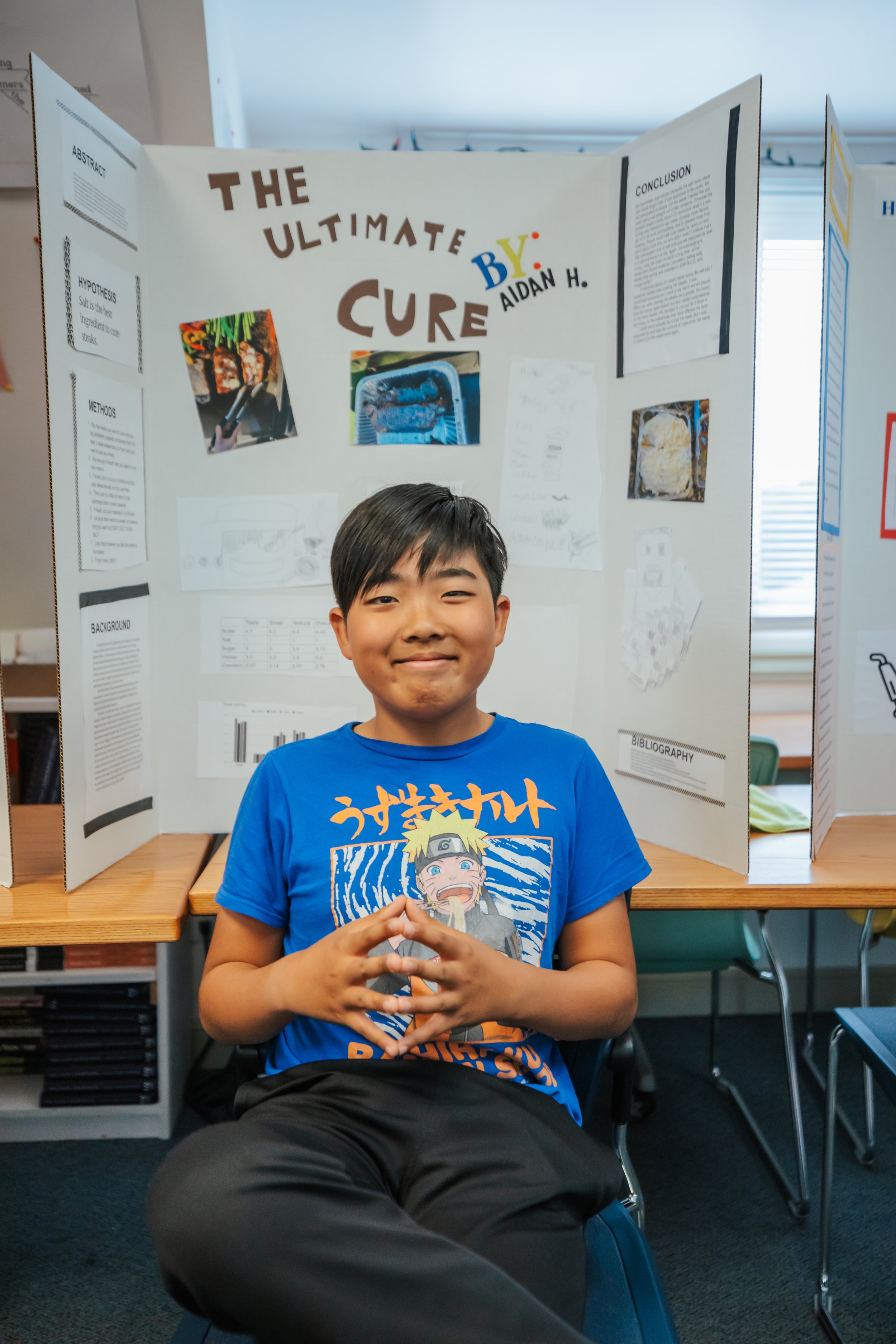
‘Research is formalized curiosity. It is poking and prying with a purpose.’
—Zora Neale Hurston, Dust Tracks on a Road (1942)
Early adolescence is the age at which a person first becomes capable of real abstraction, real argument, and real independence. We build the Upper School around that new capacity, and we meet it by asking more.
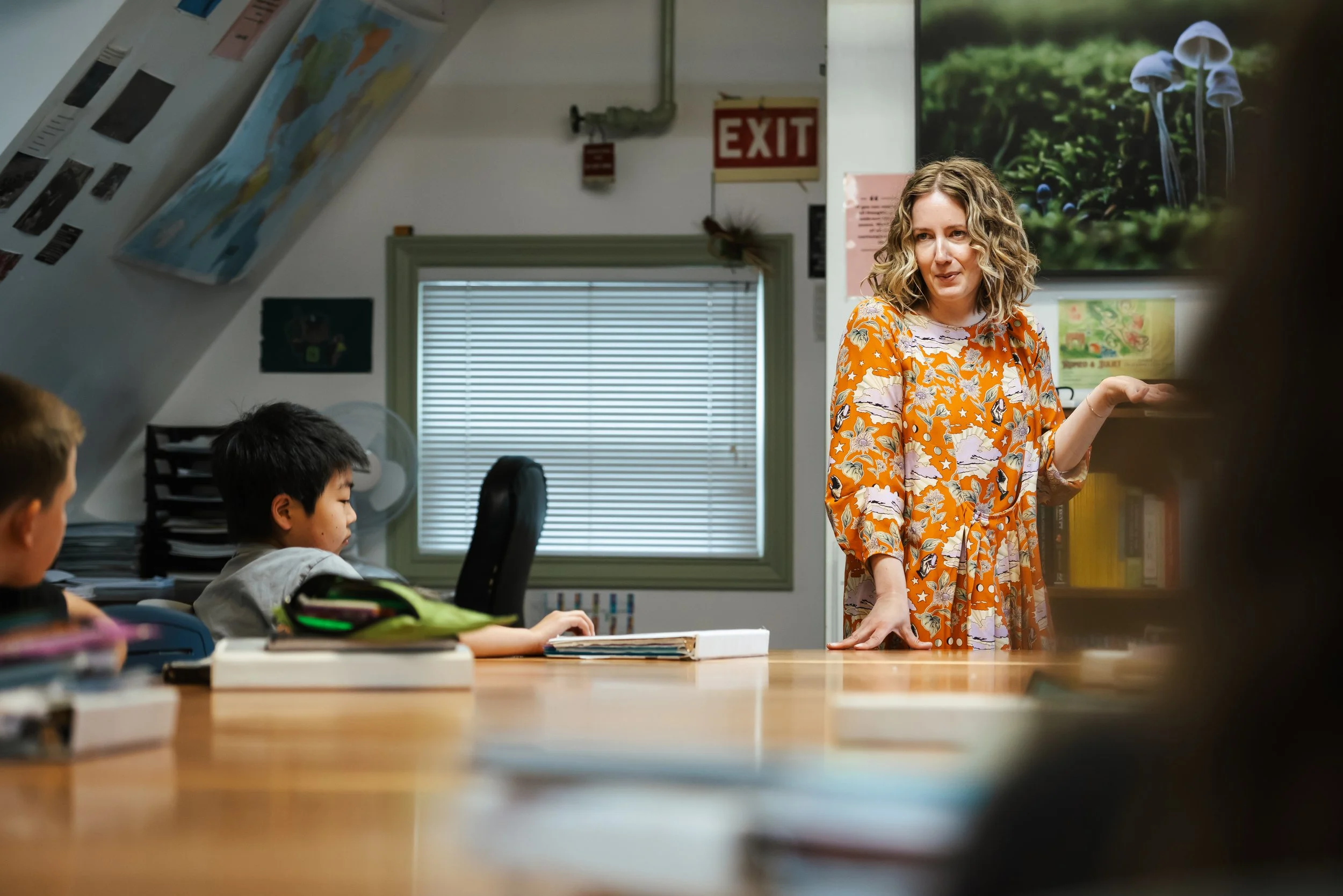
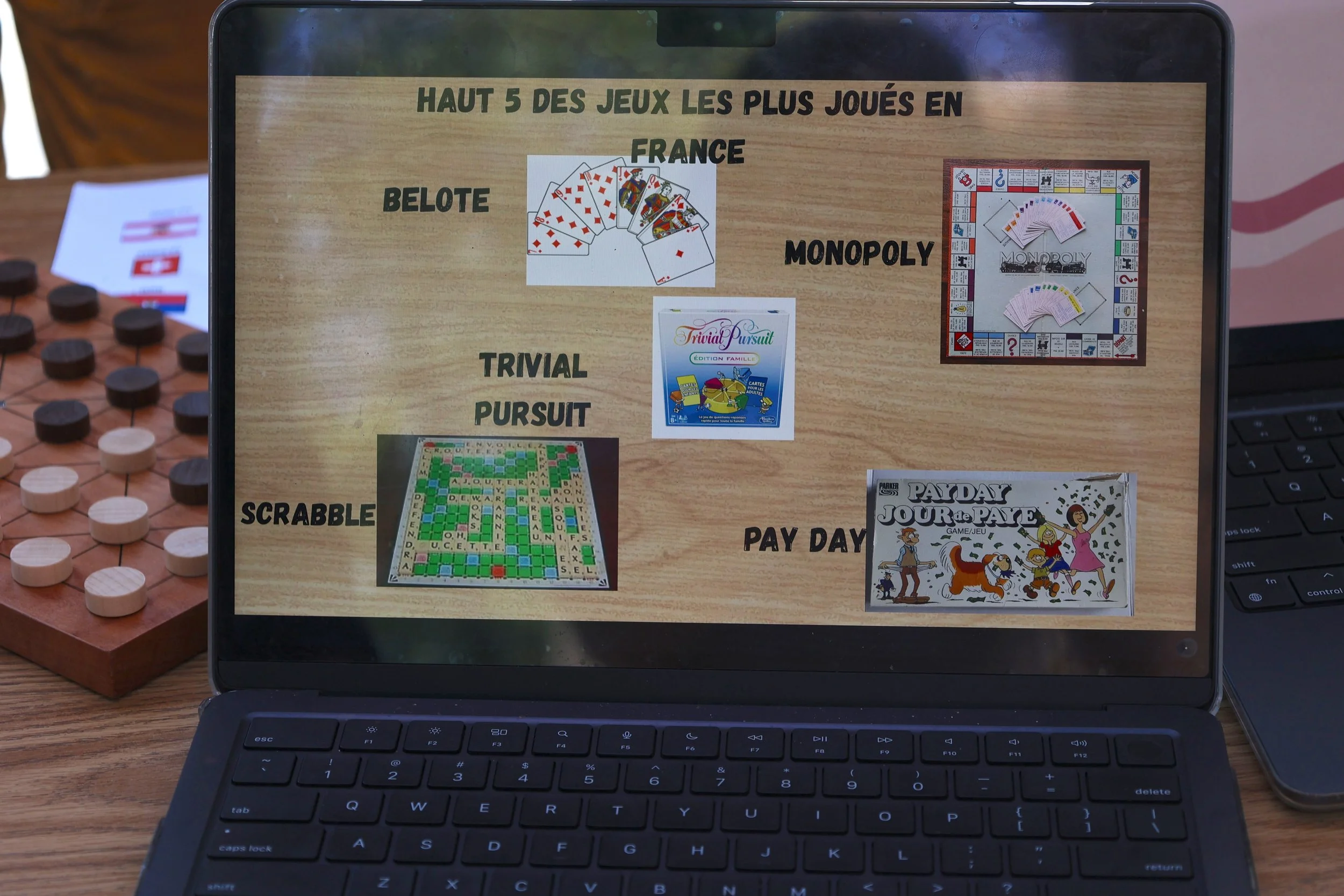
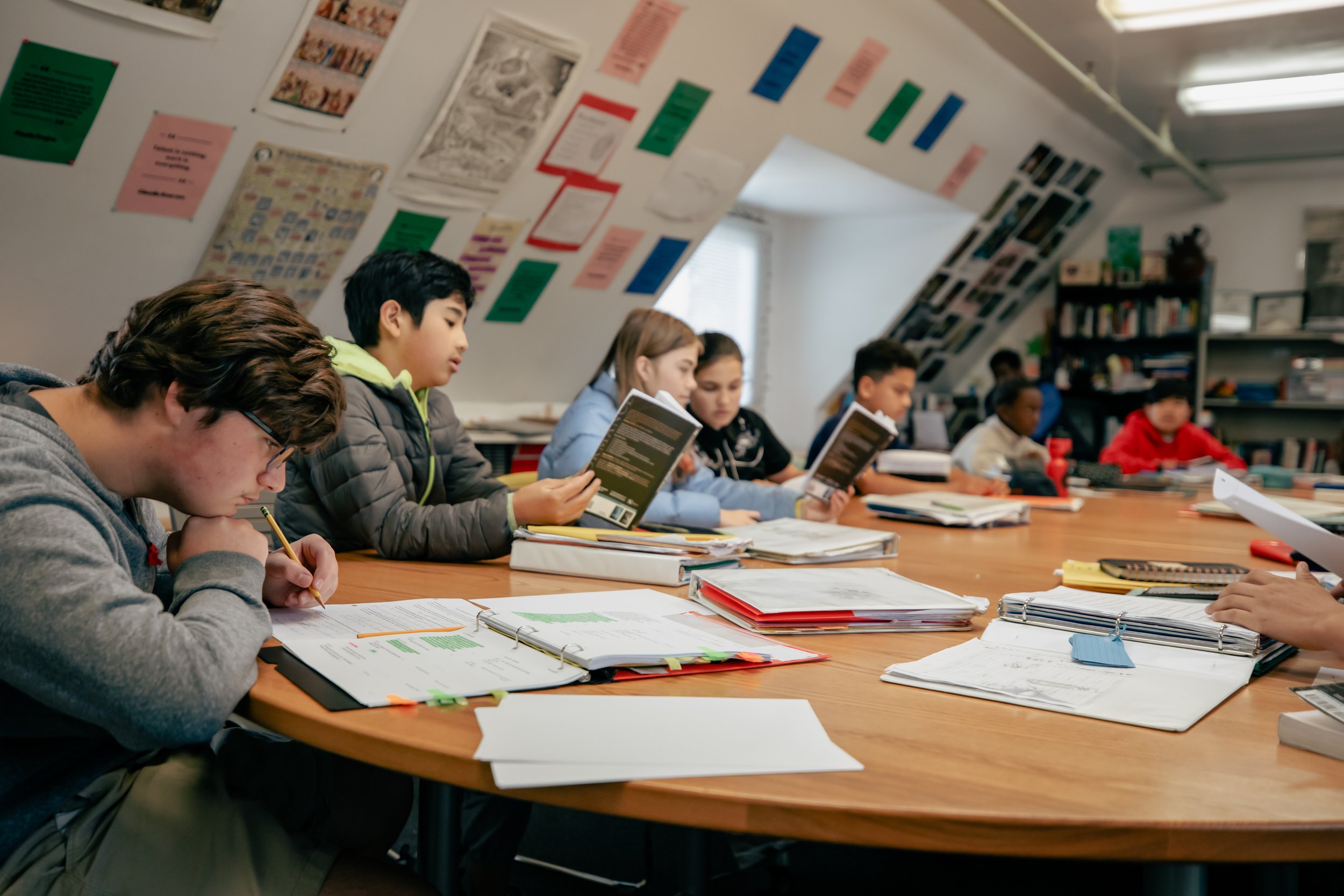
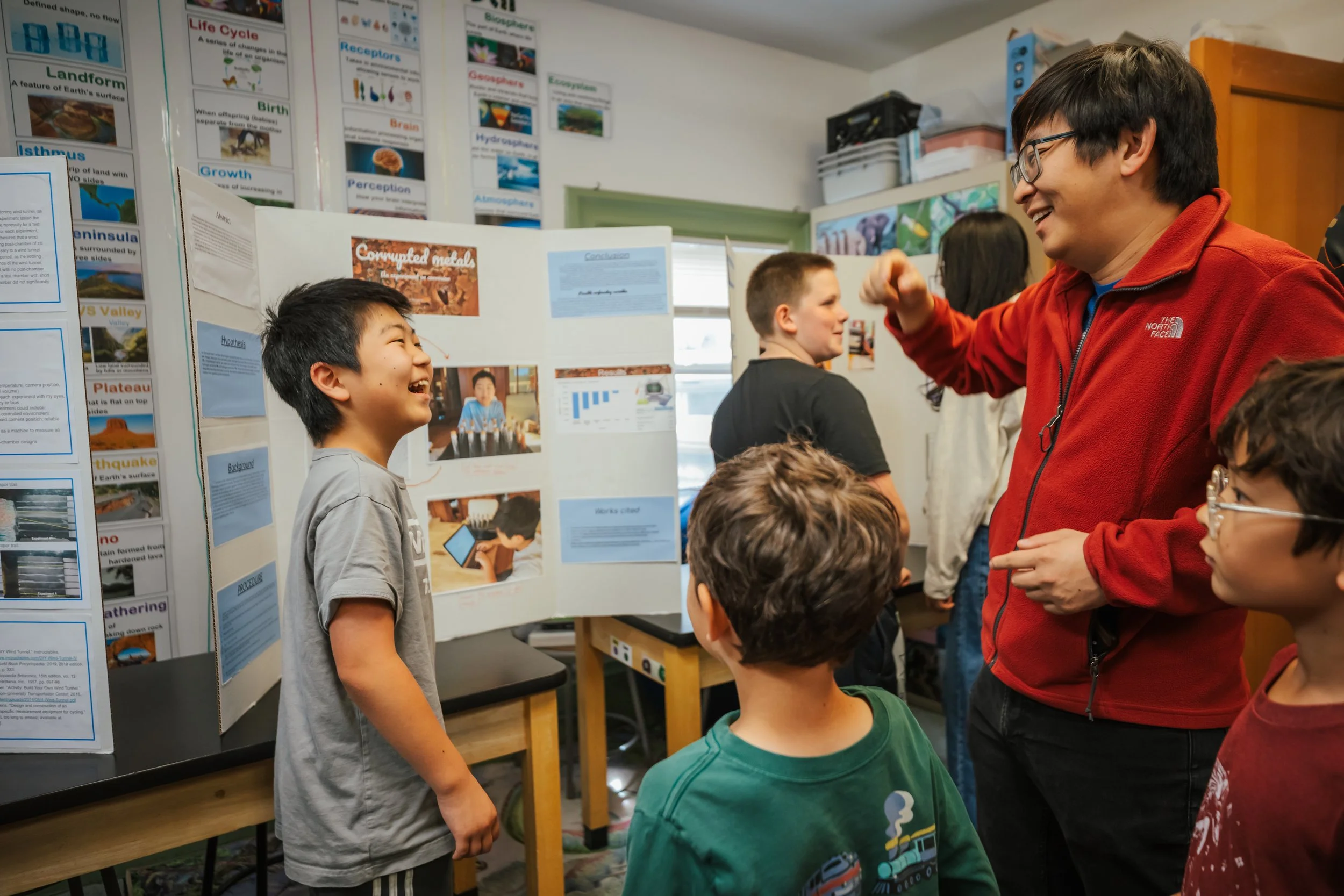
The work grows ambitious. Students begin Latin alongside their modern language, choose electives that let them follow an interest further, read primary sources in history, and write essays that must persuade a reader who knows the text. They sit in seminars and are expected to speak, to listen, and to revise what they think.
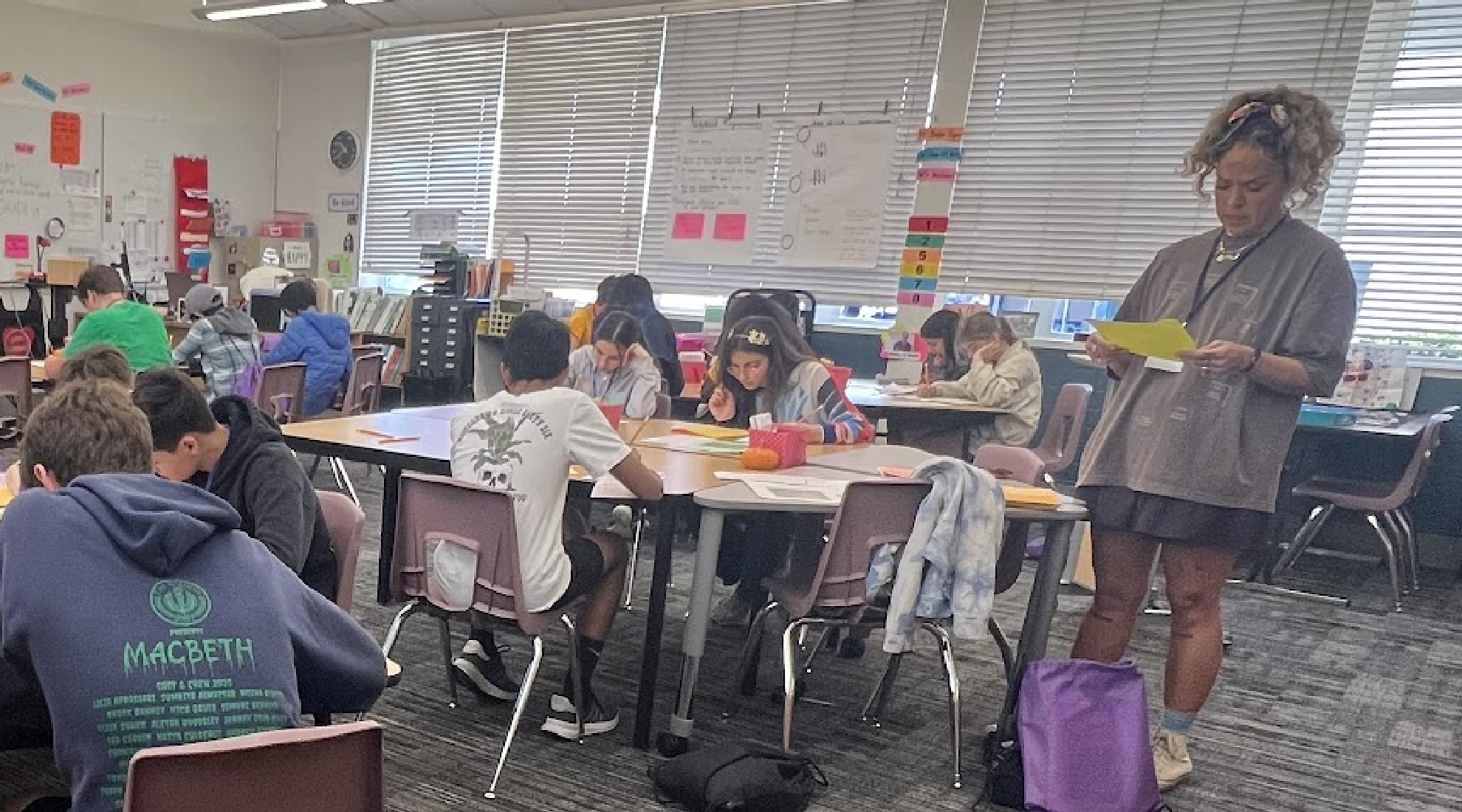
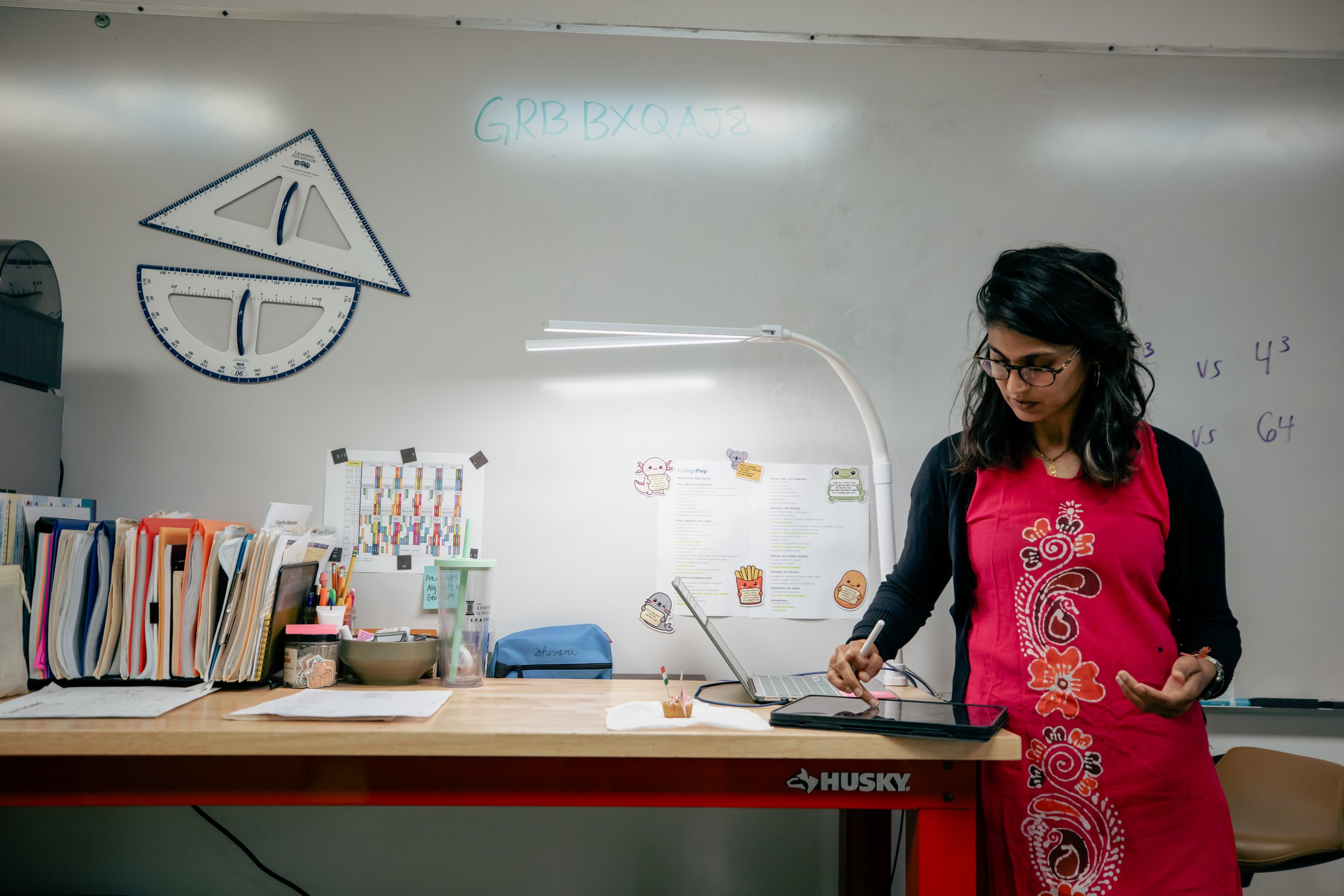
We ask more because they are ready for more, and we surround the asking with structure. Advisory gives every student a trusted adult and a small group to belong to. Study hall and office hours teach the habits on which independent work depends: managing time, asking for help, revising, and taking responsibility for one’s own work. We teach these deliberately, while the stakes are low and help is close at hand.
Our graduates leave able to think on their feet, to speak with confidence, and to work hard at something difficult without being told to. They also leave knowing that an education is meant to be used, for the good of the people around them.