
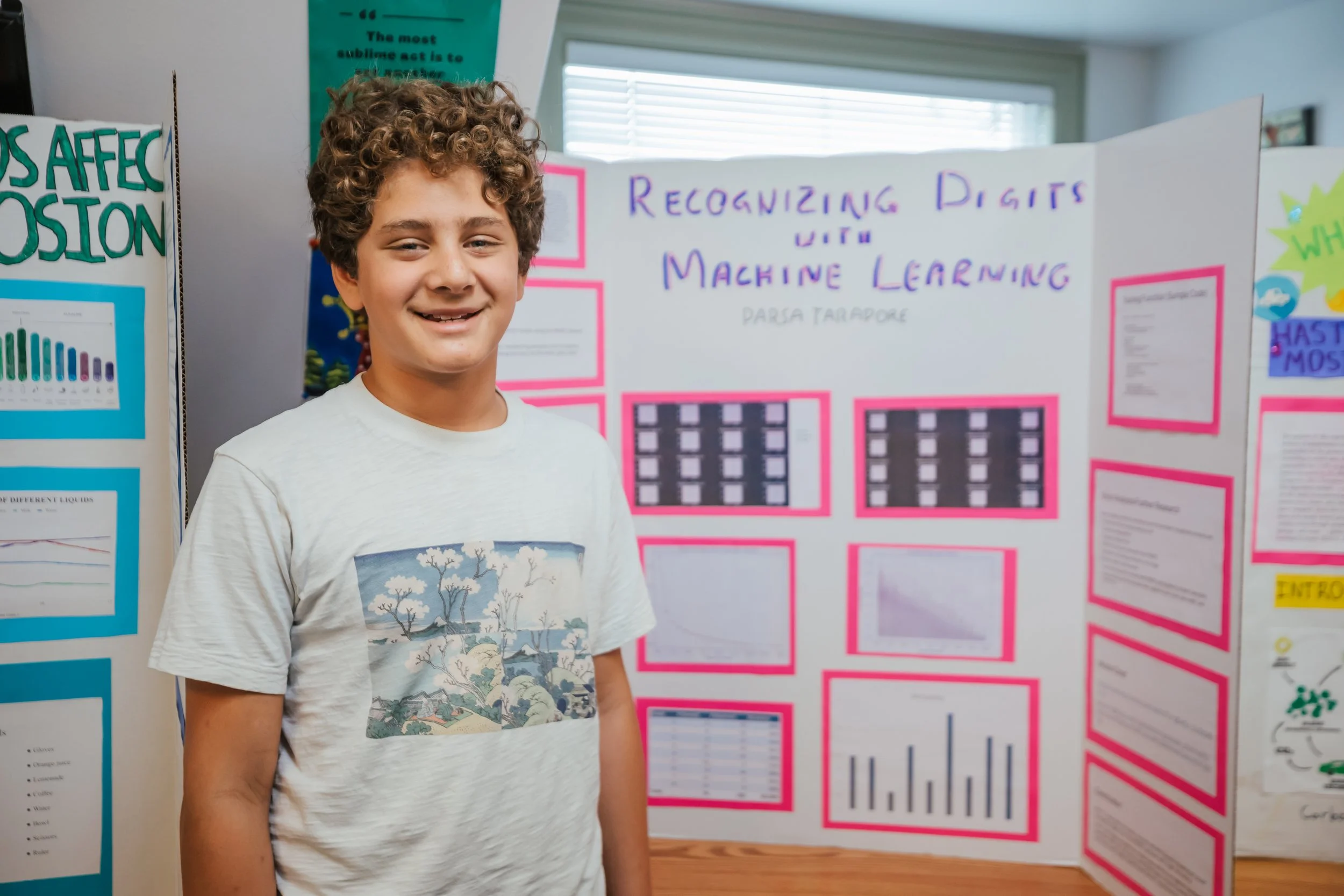
How we think about AI
Every generation of teachers has prepared children for a future it could not see. The printing press changed what it meant to know something, and so did the internet. AI feels different to many of us, ourselves included, because it reaches so close to the act of thinking.
Some things last through every one of these changes. A student who can put a thought into clear words, build an argument, hold a position in debate, spot a fallacy and follow a subject they love as far as it goes will be ready for whatever comes next. These are also the habits a person needs to use AI well: to ask it a good question, to weigh its answer, and to notice when it is wrong.
We don’t want our students to fear AI. We want them to meet it when they are ready, with the habits of mind that let them use it as a tool.
AI in the Upper School
Each Upper School teacher sets the terms for AI in their own class, according to what the subject asks of students. Some classes allow AI for certain tasks, such as brainstorming or getting feedback on grammar, as long as students disclose how they used it. Others limit it more closely or ask students not to use it at all, because the work of that class depends on students doing their own thinking from start to finish. Teachers explain their expectations at the start of the year, so students know where each class stands.
In every class, the same principles hold. AI is treated like any other source: a student who uses it says so plainly, and the thinking, drafting and analysis must be their own. Students learn to keep a record of how they used AI, because that record shows exactly what they did. Presenting AI-generated work as one’s own is treated as a breach of academic integrity, just as copying from a book or a classmate would be.
Families with questions about how technology is used in a particular grade are always welcome to ask.
Technology at The Academy School
A book, a pencil, another person
People sometimes call us a low-tech school. We accept the description, as long as it is understood as a choice. A child learns to think by reading slowly, writing by hand, staying with a problem until it gives way, and talking it through with someone who is listening. We have built the school around those things.
Small classes make it possible
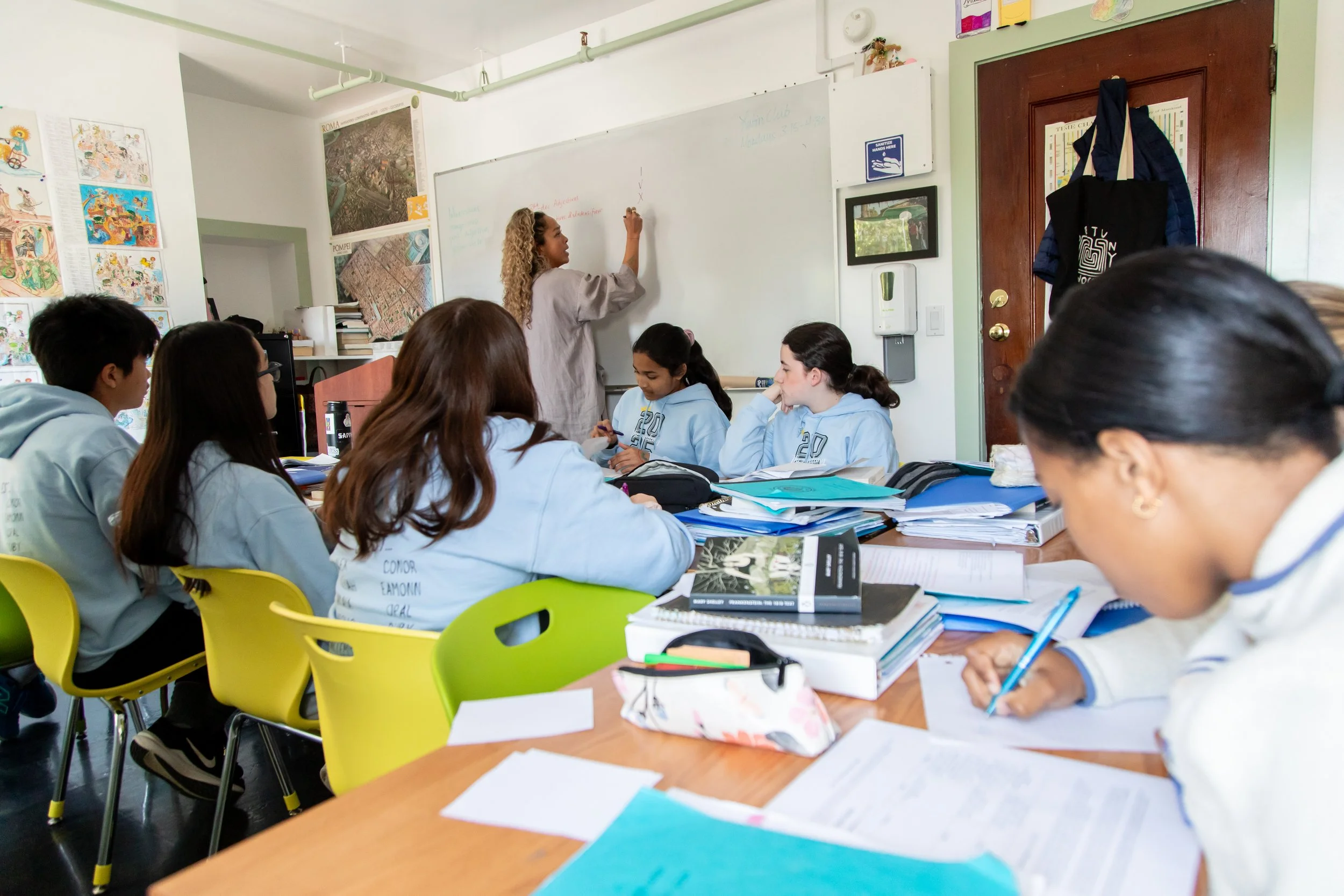
Many schools now give every student a laptop or tablet and rely on software to set the level of the work. Our classes have ten to sixteen students, so a teacher can do that work directly. In a room that size, a teacher sees who needs another example and who is ready for a harder problem, and changes course in the moment. The challenge comes from a person who knows how each child thinks.
What children use, and when
In the Lower School, children work with books, paper, pencils and one another. A teacher may project a map, a painting or a page of text so the whole class can study it together. Young children do not work on devices of their own.
We want our graduates to be at ease with technology, so we bring it in by stages. In the upper elementary grades, students begin typing their papers. In the Upper School, the Makers studio adds a laser cutter, 3D printers and design software. Before any new tool comes into a classroom, we ask what it is for.
Our Process
Each phase builds on the previous, enabling cumulative insight and continuous optimization.
Articulated objectives
Baseline metrics establish a reference point for subsequent measurement.
Evidence-based insight
Advanced analytics uncover patterns that traditional reviews may overlook.